NS-OSIRIS
North Sea - Offshore Socio-environmentally acceptable Integration of Renewables In 2035, 2040 & 2050 Scenarios
Core Focus
NS-OSIRIS provides a strategic, data-driven framework for the North Sea energy transition to 2050, built on DMEC's OCTOPUS model. Combining geospatial, techno-economic, and environmental analysis with stakeholder engagement, the project produces basin-wide roadmaps that balance renewable deployment with nature and other sea uses.
Challenge
Offshore energy planning in the North Sea is fragmented and short-term, with undefined roles for newer technologies and routes to the 300 GW 2050 target. No existing tool combines the full subsidy and year-on-year investment need with cumulative socio-environmental impacts of offshore wind, wave, tidal, solar and multi-use parks across a whole basin. Viability is treated separately from environmental and social effects, which deters investment.
Key Activities
- Engage stakeholders and define seven transition scenarios.
- Model geospatial siting, techno-economics and life-cycle impacts.
- Optimise scenarios through sensitivity analysis and price forecasting.
- Educate stakeholders using plain-language scenario narratives.
- Launch the North Sea Transition Atlas and final roadmap.
Communities Engaged
- Ports
- Conservation & environmental protection
- Enterprises for inclusion & skills
- Local finance & impact investors
- Blue tech & digital innovation
- Maritime infrastructure operators
Project info
- Funding instrument: Transition Agendas
- Lead partner: Stichting Dutch Marine Energy Centre (DMEC) (Netherlands)
- Consortium member: N/A
- Project Budget: €58.000,00
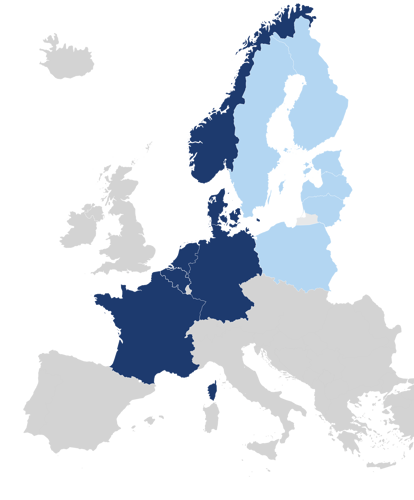
- Country of implementation: North Sea & Netherlands
- Project duration: Up to 18 months