NUTREACT
Sustainable management of cyanobacteria and poor water quality
Core Focus
NUTREACT pilots a nature-based biological filter that captures dissolved nitrogen and phosphorus into harvestable biomass to suppress toxic cyanobacterial blooms at a recreational lake. Combining a mobile pilot reactor, a scaled-up reactor, water and sediment monitoring and a techno-economic assessment, it will demonstrate an affordable, non-disruptive alternative to chemical and physical interventions.
Challenge
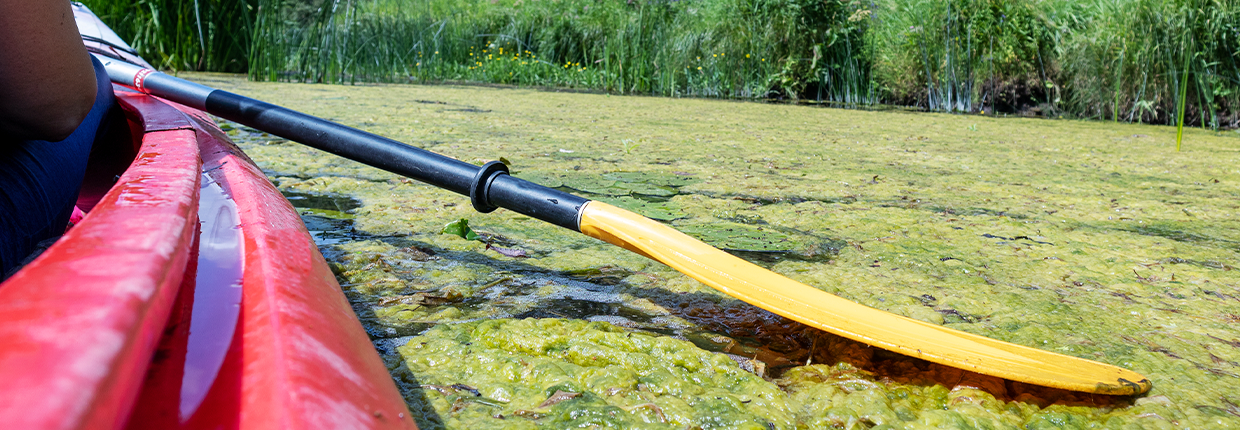
Recurring, severe toxic cyanobacteria blooms in inland recreational waters create health risks at De Gavers, force temporary recreational bans and degrade biodiversity. Existing options fall short: purification cannot lower phosphorus enough, while chemical precipitation and dredging are costly, high-carbon and damaging.
Key Activities
- Operate the mobile 2 m3 pilot reactor and map lake chemistry and sediment.
- Engineer, build and install the scaled-up 80 m3 reactor.
- Operate the reactor to assimilate nutrients into harvestable biomass.
- Calculate the total nitrogen and phosphorus mass removed.
- Hold a public demonstration day and a community workshop.
- Deliver a techno-economic assessment and scaling roadmap.
Communities Engaged
- River basin & inland water communities
- Waterfront cities & regional authorities
- Tourism sector
Project info
- Funding instrument: Community-Led Actions
- Lead partner: Avecom nv (Belgium)
- Consortium members:
- Provincie Oost-Vlaanderen (BE)
- Dutch Water Tech Projects bv (NL)
- Project Budget: €1.132.570,00
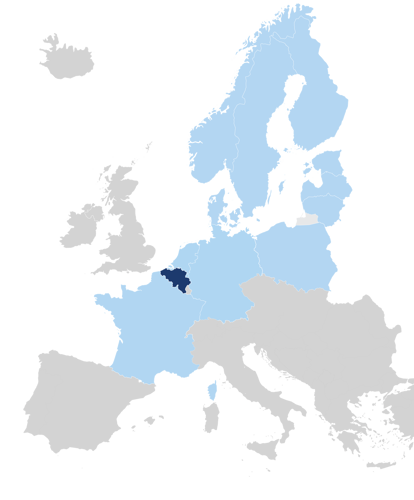
- Country of implementation: Belgium
- Project duration: Up to 24 months