SEACYCLE
Community-led Reef Restoration and Seafood Innovation for Coastal Stewardship
Core Focus
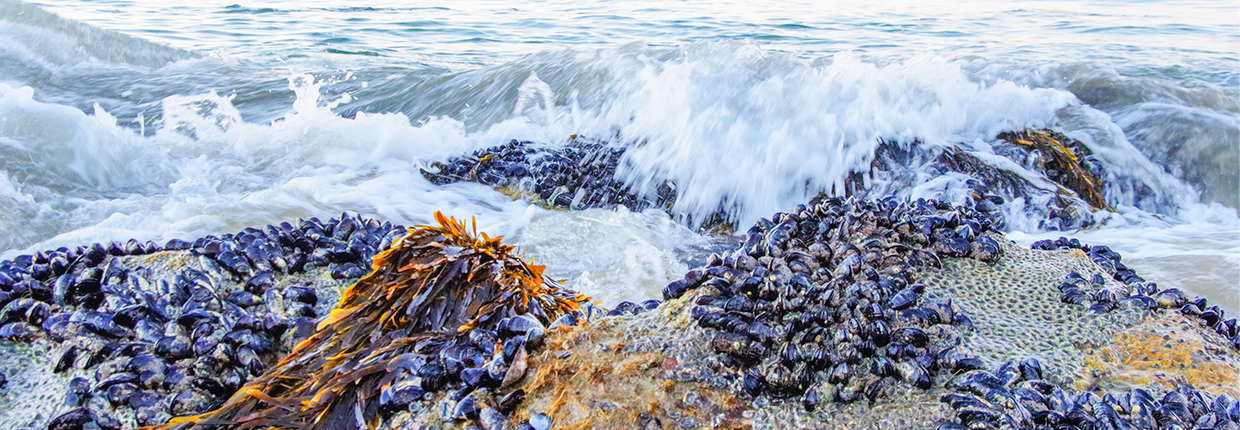
SEACYCLE restores blue mussel habitat in Baltic ports and coastal areas by turning local shell waste into biogenic reef modules, alongside seafood innovation, ocean literacy and coastal stewardship. Combining reef production and deployment, biodiversity monitoring, seafood co-creation and museum exhibitions, the project will connect ecological restoration, circular resource use and consumption change.
Challenge
The Baltic shows poorly connected ecological, socio-economic and knowledge gaps. Blue mussels are declining sharply (over 50% in places); restoration relies on carbon-intensive cement reefs, while usable shell waste is dumped or landfilled. The round goby is underused as food, and restoration, food education and blue markets operate in isolation.
Key Activities
- Establish two Local Stewardship Groups and recruit community participants.
- Collect shell waste and set processing and biosecurity protocols.
- Co-design, produce and deploy biogenic reef modules with citizens.
- Run scientific reef testing and six biodiversity monitoring rounds.
- Develop seafood prototypes and run food-literacy and sensory activities.
- Deliver two ocean-literacy exhibitions and a replication roadmap.
Communities Engaged
- Fisheries / aquaculture / blue economy
- Citizen science & community education
- Ports
- Cultural heritage & maritime identity
- Enterprises for inclusion & skills
- Local Action Groups (CLLD)
- Waterfront cities & regional authorities
- Conservation & environmental protection
- Tourism sector
- Schools, food-service & coastal-tourism businesses
Project info
- Funding instrument: Community-Led Actions
- Lead partner: ReefCircular ApS (Denmark)
- Consortium members:
- Swedish Polar Research Secretariat
- Kristineberg Marine Research Station (SE)
- University College Absalon (DK)
- Maritime Museum and Aquarium
- City of Gothenburg (SE)
- Project Budget: €943.968,75
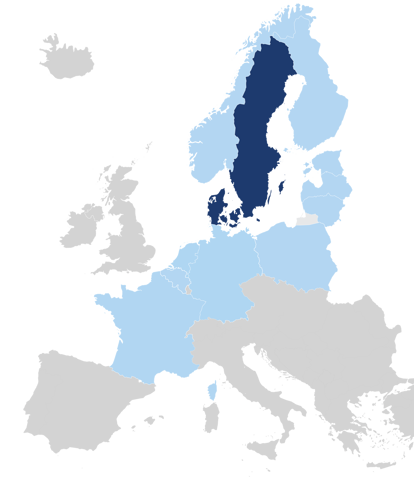
- Countries of implementation: Denmark & Sweden
- Project duration: Up to 24 months